

Mercer Moravian Pottery Architectural Pieces Pre-1930 (Mercer Lifetime) + Book
$ 79.2
Description
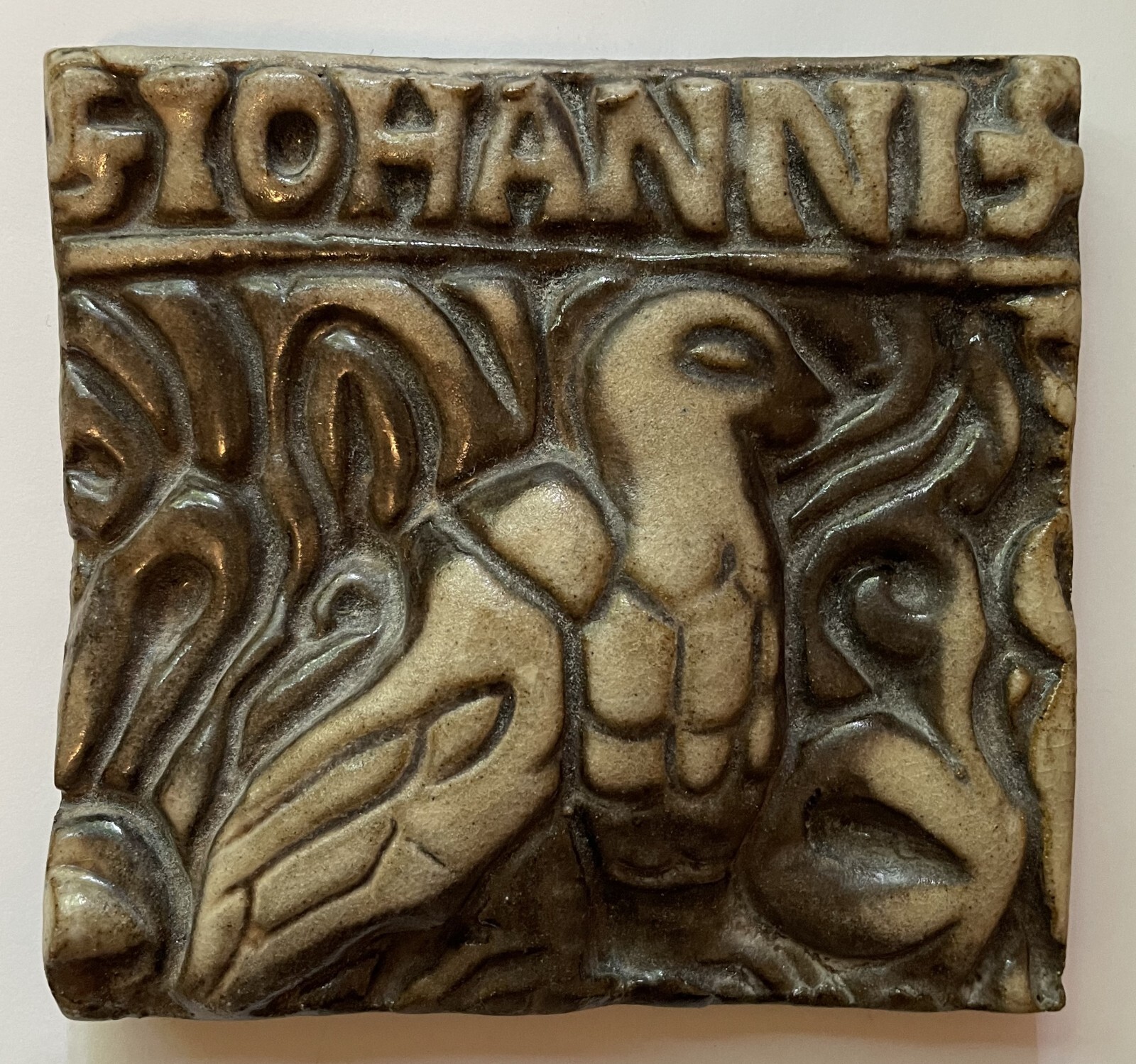
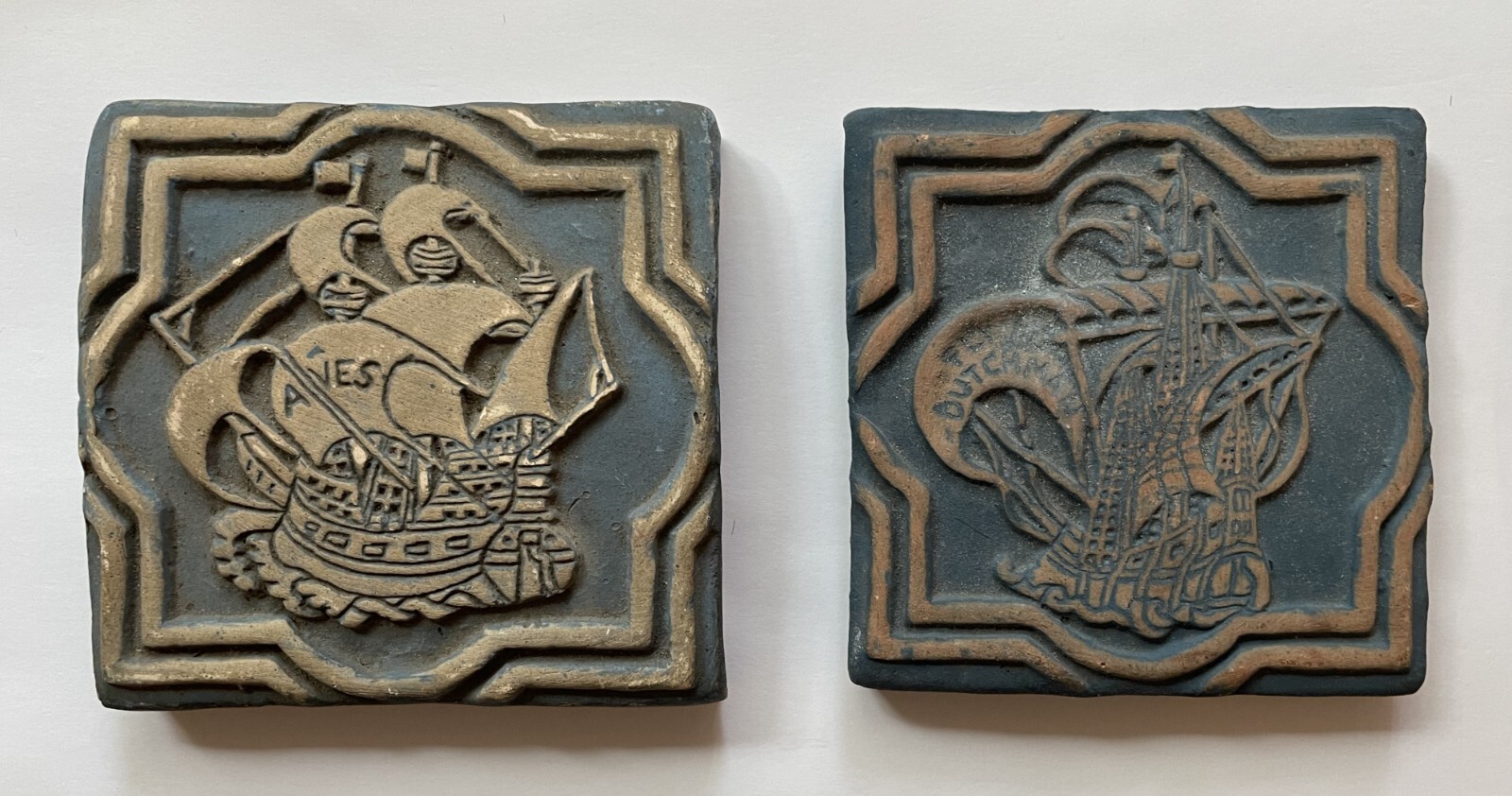
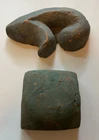
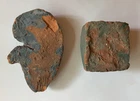
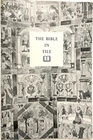
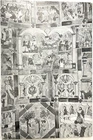
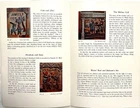
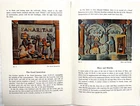
Mercer Moravian Pottery Architectural Decorations Pre-1930 period (Mercer Lifetime) These are not modern reproductions. They were produced during Henry Chapman Mercer's lifetime. Examples of these architectural design elements are seen throughout the interiors of the Mercer Museum and Fonthill (Mercer’s home) in Doylestown, PA. Not glazed. Square element: 2 ½” L x 2 ½” W x 1 ½” H. Plant element: 4 ¾” L x 3” W x 1” H. Condition: Very good. Chips on back of plant element. Includes bonus book: " The Bible in Tile" by Gerald W. Dieter and John S. Cummings, 1957. Record of the unique Mercer tile church chancel walls illustrating Bible stories, based on Moravian iron stove plate designs. Examples of architectural elements in tile See photos Henry Chapman Mercer (1856-1930) began producing decorative tiles Works in Doylestown, Bucks County, Pennsylvania in a style based on Moravian German settlers’ design motifs for their cast iron stove plates. Between 1911 and 1912 Mercer built the present Moravian Pottery and Tile Works (MPTW) to “master the potter’s art and establish pottery under personal control.” MPTW continued operation after Mercer's death in 1930 until sometime in the 1950s. Reproductions of Mercer's original designs were introduced by the Bucks County Department of Parks and Recreation in 1976 Mercer generally did not affix a potter's mark to tiles made while he directed the work. Following his death, there were several marks used to indicate that a tile had originated at MPTW. When the Bucks County Department of Parks and Recreation took over the MPTW as a working museum, all tiles made by the museum were impressed on the obverse with a stylized "MOR," and the year of manufacture.